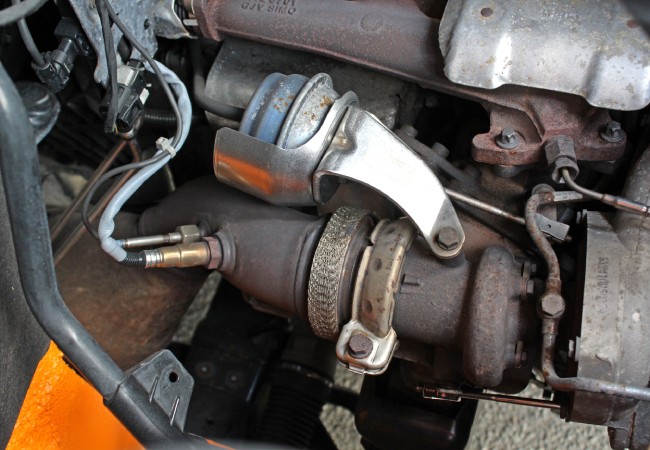
Whether you’re hauling a heavy load across state lines or navigating tough terrain, turbocharged trucks are built to deliver serious power and torque. Those of us who drive these workhorses know how much of a difference a well-functioning turbo makes. But what often goes unnoticed is the small yet essential turbo actuator, which quietly ensures that your truck’s engine performs at its best.
A turbocharger harnesses exhaust gases to spin a turbine that forces compressed air into the engine for that extra punch. The more exhaust your truck generates under heavy load, the harder the turbo works, producing more boost and helping your truck conquer steep hills or pull with greater strength. However, too much boost can spell trouble, risking blown gaskets or engine damage. That’s where the turbo actuator comes in—it acts as the gatekeeper for the turbo’s wastegate, moderating all that forced induction power.
How Does a Turbo Actuator Work?
Picture the actuator as the control center of your truck’s turbo system. Its main job is to regulate boost pressure to prevent dangerous surges. When the system senses that enough boost has been created, the actuator opens the wastegate, which is a valve that lets some exhaust gases bypass the turbo’s turbine. This keeps boost levels in check, ensuring that your engine isn’t pushed beyond safe limits.
Understanding the role of turbo actuators in engine performance sheds light on why modern trucks can remain both powerful and reliable. With precise control, the actuator provides steady power, smooth acceleration under load, and vital engine protection. If the actuator fails, you’ll likely notice loss of pulling strength, sluggish acceleration, or warning lights on your dash—things that no truck-owner wants to deal with mid-job.
How the Actuator Enhances Truck Engine Performance
The turbo actuator plays an essential role in optimizing your truck’s engine performance by ensuring that the turbocharger operates precisely as intended. By controlling the flow of exhaust gases to the turbine, the actuator regulates boost pressure, providing the engine with the perfect balance of power and efficiency. This not only improves acceleration and towing capacity but also enhances fuel economy by ensuring that your turbocharger isn’t overworking. A well-functioning actuator allows your truck to maintain consistent performance under varying loads and conditions, making it a crucial component for demanding jobs.
Why the Actuator Matters for Your Truck
If the turbo actuator fails, it might stick open, leaving the wastegate open and robbing your engine of the boost and power you rely on for big jobs. Worse, if it sticks closed, the turbo could generate dangerously high boost, risking major engine damage.
Regular inspections and maintenance of the turbo actuator can help you catch small issues before they escalate into costly repairs. Additionally, understanding how your actuator functions can empower you to identify warning signs early, ensuring that your truck stays reliable and efficient on every job.
Ultimately, the role of turbo actuators in engine performance is all about balance. The actuator ensures that your truck delivers the dependable power and efficiency you need—mile after mile—without putting your engine at unnecessary risk.